
Hashtags (#) are one of the most prominent factors of social media marketing today and for good reason.
The power of Hashtags is threefold:
- Hashtags make it easier to target a specific group of users.
- Hashtags make it easier for your content to get found.
- Hashtags make it easier for your content to reach a greater audience.
Used wisely, they can become your best chance of engaging online. You can amplify your message, make your brand stand out from the crowd and inevitably gain new brand ambassadors.
The potential to go viral is huge!
 On the other hand, ill-conceived or ill-managed hashtag campaigns can lead to epic fails (#hashtagfail). Even large brands have been guilty of committing hashtag atrocities.
That’s why it is important to understand hashtags and how they fit into your food or wine event marketing strategy before you undertake your next event marketing promotion.
First up – what is a hashtag?
When you see key words or a phrase preceded by the # symbol in social media platforms, that’s what we call a hashtag. Be it an official hashtag to promote an event like #RestaurantAustralia, something general like #FoodandWine or something a bit more random to state a persons feelings or state of mind #LoveWine. The best way to think about them – a hashtag is a simple way to identify messages on a similar topic and connect with like-minded people using real time data. 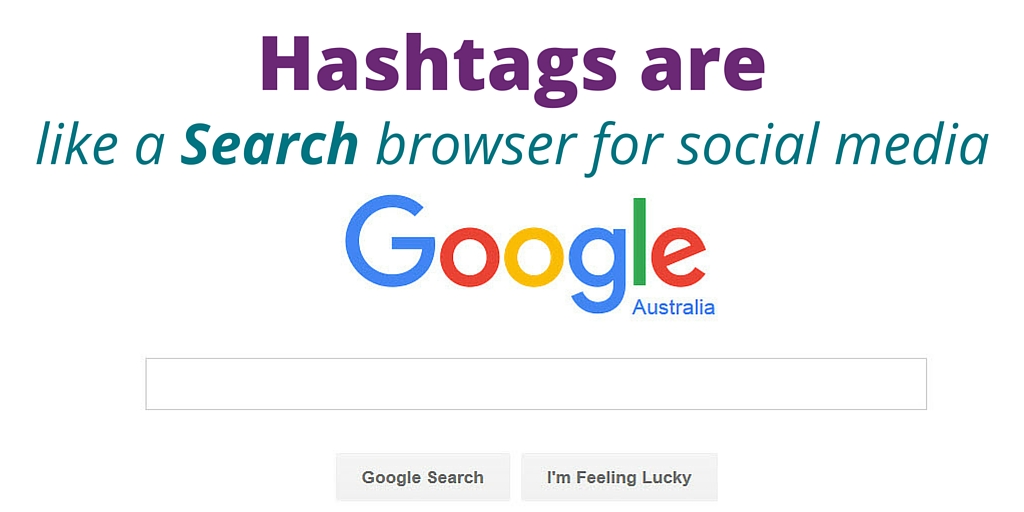 What makes them even more interesting, is that a hashtag can be created by anyone.
Where can you use hashtags?
Once solely the domain of Twitter, the humble hashtag now features on most major social media platforms. And this in itself shows how the modern marketing world has recognized just how powerful hashtags can be.
What are the main types of hashtags?
User Generated Hashtags
Bandwagon Hashtags. Jumping on the bandwagon is what hashtags are all about. Typically generated and proliferated by Twitter users on a particular ‘hot’ or trending topic; completely independent of specific companies or brands – they demonstrate perfectly the power and reach of an organic hashtag.
Keyword Hashtags. Similar to Bandwagon Hashtags – these are created around keywords or key phrases used to search out a particular topic such as #Wine, #WineMarketing, #EventsMarketing (Note: Bandwagon hashtags have a short life and are used for trending topics while keyword hashtags have a lot longer staying power).
Anecdotal Hashtags – again user generated hashtags, but this time not used so much to search out a topic, but more to enhance the story behind the social media post – watch the video below to get an understanding why these types of hashtags can become annoying if overused.
Brand (Business) Generated Hashtags
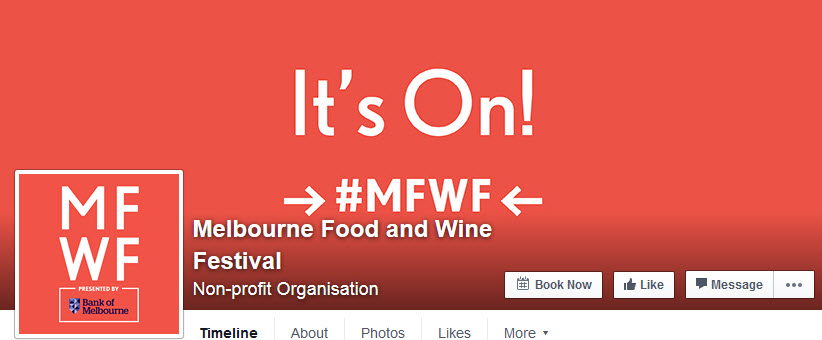
Evergreen Hashtags. These unique hashtags are designed to be in it for the long haul. They are instant brand identifiers and often function as sub-brands. For long standing events such as Melbourne Food and Wine Festival (#MFWF) – they are a pivotal part of the modern marketing campaign.
Campaign Hashtags. As the name suggests, these hashtags accompany a specific campaign or are used for a shorter period of time. They zero in on a cluster of people with a specific interest for a certain amount of time. A great example is Tourism Australia’s #RestaurantAustralia campaign.
Why are they SO important to your social media marketing arsenal?
For starters, in many instances the media and people in general turn to Social Media for live updates of important events.
Then there’s the viral potential.
Hashtags are a way for your followers to take a campaign and run with it. Not only do followers add to the conversation, but they share it with all of their friends and followers.
The potential for reach is mind boggling really!
Hashtags are so much more than a way to categorize topics or discussions. They’re really are an easy way to enter into specific, targeted conversations with those who share similar interests.
And they give us all the perfect stage to stand on as brand ambassadors.
Beware of hashtag hijacking!
Even the biggest brands have gotten it wrong. And having a well intentioned campaign hijacked isn’t a fun experience.
Particularly if you’ve spent oodles on promoting your hashtag, only to have it used in a way it wasn’t intended to.
So as a cautionary tale, let’s learn from possibly two of the biggest fails with hashtags.
#McFail
One of the most famous Twitter hijacks of all time is that of the 2012 #McDStories. Initially designed to promote wholesome, positive stories about McDonalds, the campaign quickly backfired and went radically off message.
Within an hour, horror stories and other vitriol flooded Twitter.
From a user saying they were hospitalized from food poisoning to another saying he lost 50 pounds after quitting working and eating at McDonalds.
All in all, an epic fail.
#QantasLuxury #OrLackThereOf
In 2011, Australia’s very own Qantas thought that it had enough customers who would have a positive experience to share using #QantasLuxury.
Boy were they wrong!
What the campaign generated were hundreds of tweets that detailed what people really thought of the flights.
What are our top tips for being a #HashtagHero?
First things first.
Before you embark on a hashtag campaign, consider your brand’s reputation and whether you have the potential to be hijacked. If you think so, you’ll need to be more careful about how you approach your campaign.
Once you’re past that hurdle, here are our top tips to make your hashtag campaign a successful one.
1. Choose the right hashtag
Ensure there are no other derogatory or inflammatory interpretations to your proposed event Hashtag.
Tip
If two or more words are joined together, capitalize the first letter of each word #RestaurantAustralia. You don’t have to do this, it just makes it easier to read.
2. Build awareness prior to your event
Let the public know the hashtag for your event by including your hashtag in all social promotions, on your website and in print material.
3. Use Hashtags to encourage interaction
Whether it’s a game, a photo sharing promotion or another activity, hashtags are a great way to enable broad online interaction. And don’t be afraid to use a reward to encourage the use of your hashtag!
4. Put Hashtags where they will get noticed
Don’t stop at traditional advertising and digital marketing spaces. Get creative with where you include your hashtags. Whether it’s somewhere event goers will take photos or where they’re likely to linger, get your hashtag in full view for them to include when they upload it to social media.
5. Join in the conversation
There’s no point in creating a groundswell and then not replying. Rule No.1 of social media marketing is listen and reply!
Make sure you engage with those using the hashtag in a timely manner – retweet or repost them and ask questions, but don’t be tempted to get salesy as it’s not the place.
Example
The #RestaurantAustralia campaign by Tourism Australia is a great example of a Hashtag Campaign in use. A well conceived and executed campaign that uses social media to spread the message and engage consumers. It is also very educational and well worth a look!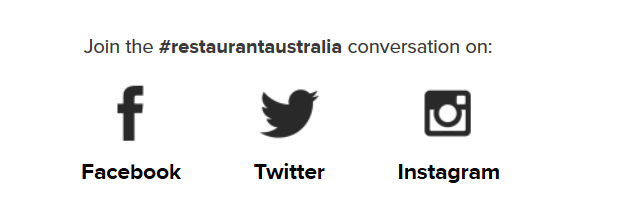 Hope these tips have helped you with your food or wine event promotion. Please feel free to let us know below your hashtag for your upcoming event or festival – we’d love to follow you online.
Until next time…..