
 Most tourism and hospitality business owners and marketers realize social media is a critical component of their marketing and promotion, yet they continue to jump into social media with absolutely no plan in place.
Is it any wonder that they are yet to see any significant return on investment (ROI) from their social media efforts?
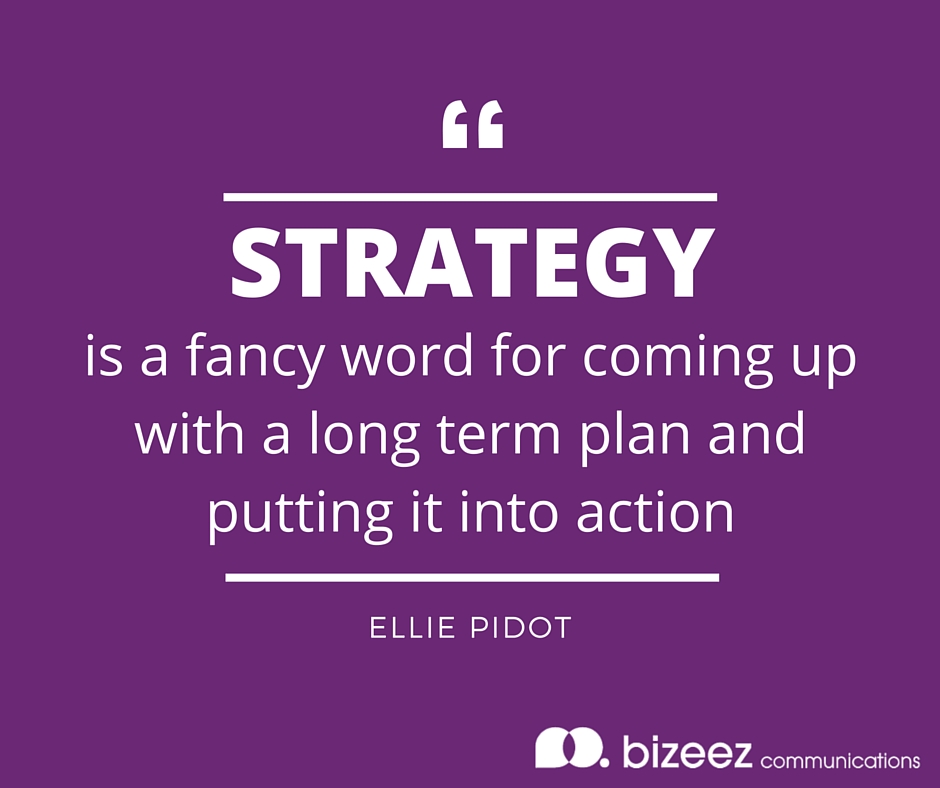
That’s why a social media marketing strategy is so important from a business perspective.
Let’s be clear – a social media marketing strategy is NOT an action plan on how many tweets to post per hour or which product photos to feature. That’s a posting calendar.
A social media marketing strategy goes a lot deeper.
Think of it as a road map: it gives business a clear vision, defined goals and actions to take to stay on task and on track.
So when crafting a social media strategy, what are the key components to incorporate?
No. 1 Why are you doing this?
What is the business purpose?
Make a list of specific business objectives and then put them in order of importance.
Note: Objectives don’t include getting 2000 likes (these are targets or KPIs). Objectives are the overreaching reason of why you are using social media in your business and can include brand awareness, customer advocacy, increased reach to key target segments, reputation management, growing sales and revenue.
No 2 Who is your target audience?
Firstly, is your target audience segment actually using social media? If so:
- What social media platforms are they using?
- What interests them?
- What type of content do they most enjoy and engage with?
- When are they online?
- How are they using social media ie devices?
Don’t forget demographics – gender, age, education level and geographic location.
No. 3 What Channels (social platforms) are available?
What are the main social channels and the specific commercial opportunities each provide?
Which social channels best suit your business goals? Is your target audience using these platforms?
No. 4 What are your competitors doing?
Are they using social media and if yes, how are they using social media? What are they doing well; not so well?
No. 5 What are your business constraints?
Now this can cover a lot of ground, but questions regarding budgetary and resource limitations are usually the most obvious.
Do you have a social media budget? Do you have the resources in-house to build and maintain your social media presence? Do you need to get outside help and outsource some components?
No. 6 What content can you share?
How do you want to present your business – serious, traditional, fun?
Do you want to surprise, inspire, build a solid reputation?
Do you have the support from internal stakeholders to gather and create content or a budget to outsource parts of your content creation?
Here is where most brands come unstuck – finding the right balance between engaging their target audience and sticking to brand topic.
Note: every piece of content that you create and share should reinforce your brand in some way.
No. 7 How are you going to measure your progress?
What factors will you measure to ensure you are reaching the required ROI? This should take in factors such as KPIs (note, not objectives) ie reach, engagement.
- How does your fanbase look now? What do you want it to look like in a year?
- Should you use metrics tools?
- Are your fans engaging with content that you post? How do you want them to engage with content in a year?
Approaching social media in a tactical way ensures you will gain the most from your efforts.
You wouldn’t take a trip without planning your journey, would you?
Marketing your business is no different – even with social media, you need a plan of action to guide you towards your destination.
Until next time…